



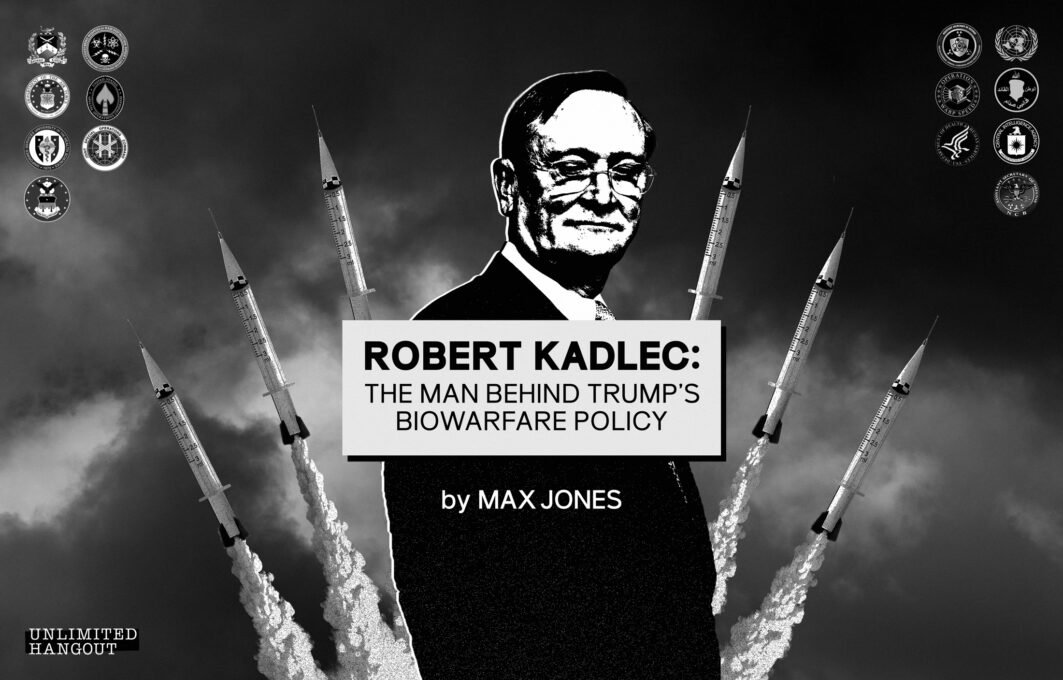
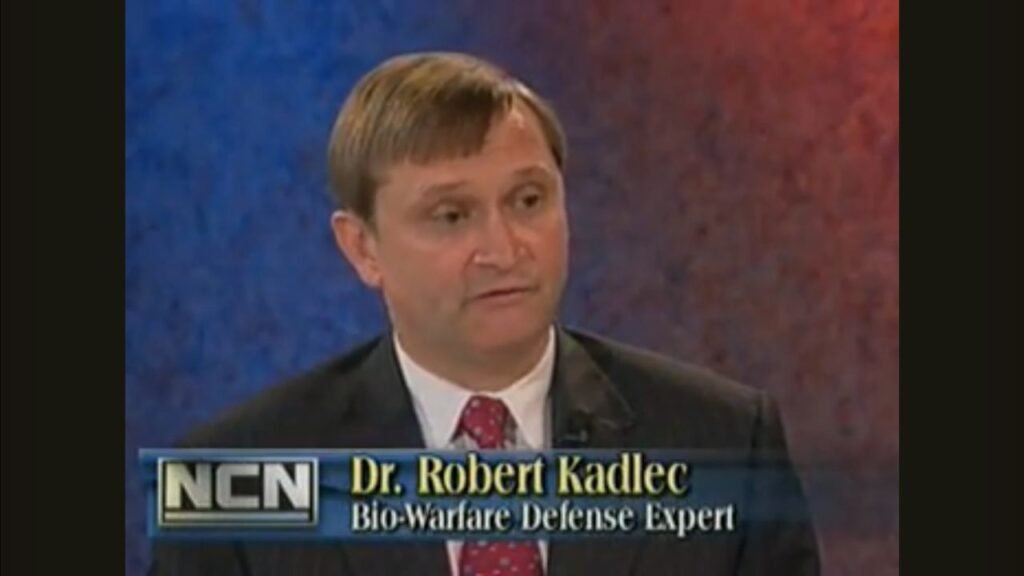
Early February of last year, President Donald Trump quietly nominated a long-time government operative to be the new Assistant Secretary of Defense for Nuclear Deterrence, Chemical, and Biological Defense Policy and Programs — Robert Kadlec. Kadlec is arguably difficult to notice; he has an unremarkable combover, wears wiry rectangular glasses, and his thin lips stretch beneath his anchor-nose, all of which culminate into a straight face that reveals as little emotion as his flat, monotone speech does. Yet Kadlec’s unassuming style has not held his career back; in fact, it has likely aided him in becoming one of the most effective players in the halls of Washington, specifically within the secretive world of biosecurity and biological warfare.
Kadlec most recently served at the Department of Health and Human Services (HHS) as its Assistant Secretary for Preparedness and Response (ASPR) in the first Trump administration, where he played a crucial role in developing early Covid-19 response policies as well as conducting global pandemic simulations the year before the Covid-19 crisis, in 2019. These policies were sharply criticized by the man who is now head of HHS, Robert F. Kennedy Jr. Amid the silence from Kennedy and most other Covid-era critics regarding Kadlec, the seasoned government operative was finally confirmed for his Pentagon post by the Senate in December.
His one-time critics aside, hardly any mainstream news outlets covered Kadlec’s nomination or confirmation despite his new role bearing significant importance. This is despite not only his hand in early Covid policies, but his role in a simulation that eerily preceded, and seemingly predicted, the 2001 Anthrax attacks, which figures very close to Kadlec likely orchestrated in an effort to bio-terrorize the American public into supporting military adventurism abroad.
Since his time in college, Kadlec has been intertwined with the American military. He received a bachelor’s in science from the US Air Force Academy in 1979, and then graduated with a M.D. from the Uniformed Services University of Health Science — a federal government college meant to prepare students for medical service in the military. Kadlec went on to do exactly this, spending the next 26 years working as an Air Force physician.
Kadlec would soon entangle himself in a web of biowarriors and neoconservatives from the Reagan era who were bent on establishing a pretext to depose the Iraqi leader Saddam Hussein. Notably, some of these very men had been involved in selling Hussein biological weapons of mass destruction (WMDs) the decade before. Behind a thick mist, these same characters also surrounded crucial events preceding and proceeding the 2001 Anthrax attacks. It would be from within this milieu that Kadlec played a key role in developing and manufacturing consent for critical pillars of what would become the nation’s biosecurity infrastructure in the years before and after 2001.
While the Trump administration has cultivated the perception of dissent as it relates to Covid-19-era biosecurity policy-making, Kadlec’s nomination is only the latest among a series of biowarriors and transhumanists who have come to fill the bureaucracy of the second Trump administration.
Now at the Pentagon, Kadlec — a crucial figure in cultivating the national-security based public health system being built out today — will hold vast power over the nation’s WMD policy, ranging from nuclear deterrence, developing “capabilities to counter” WMD threats, and “interagency coordination and international engagement on countering weapons of mass destruction (CWMD) policy and strategy,” as part of the Trump administration’s effort to “reshape the way the DoD meets and responds to WMD threats.”
If Kadlec’s record is any indication of how he will govern at his new post, then the U.S. will take a firm step towards the fulfillment of the neoconservative policy doctrine that came to rise during the Bush years. This doctrine envisions the empowerment of the most secretive sects of the national security state, a permanent state of war and emergency, the financialization of catastrophe, and the consolidation of power. Kadlec, often unnoticeable and out of sight, has long played a critical role in the implementation of these goals for decades.
Creating Enemies
Kadlec claimed he was first introduced to the world of biological warfare in 1991, “on the eve of the Iraqi invasion of Kuwait.” It was then that he was assigned to the Joint Special Operations Command (JSOC) at the now notorious Fort Bragg military base.
It was a transformational period for JSOC. The special missions unit had recently climbed to new levels of military power — in part thanks to the president at the time, George “Poppy” H.W. Bush. In the aftermath of the Church Committee, which issued checks on CIA power by way of new reforms including “the establishment of standing intelligence committees in the House and Senate,” Poppy Bush, a former CIA director with family ties to corrupt banking interests, was the man tasked with reforming the CIA.
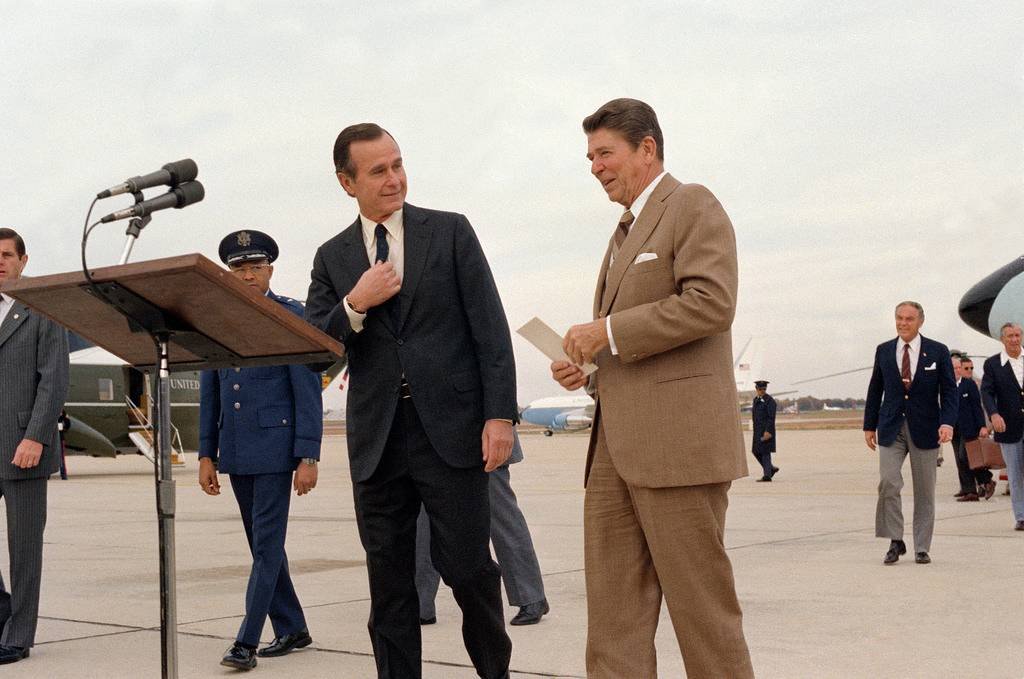
A few years later, Bush rose to the executive branch as Ronald Reagan’s vice president — a move that “coincided with a transfer of power from the CIA to the military.» Thanks to the creation of JSOC, the military was supplied with “operatives fully capable of carrying out the same skulduggery as [the CIA], but without the added baggage of congressional meddling.” In other words, a substantial amount of covert- operation-responsibility had been transferred from the CIA to JSOC — a Pentagon-housed shadow force less accountable to external oversight than its civilian counterpart. Indeed, JSOC was tapped throughout the course of the Reagan administration to aid in covert counterinsurgency operations in Central and Latin America, including working with the drug-smuggling Nicaraguan Contras. It was behind this backdrop of the restructuring of black operations, and the bolstering of JSOC as a “secret military within the military,” that Kadlec would first become embroiled in the controversial science of biological warfare.
This illuminates the role that Kadlec and the clique of biowarriors he has worked with have, for decades, played within the structure of the American war machine. These scientists have time and again utilized their academic credentials to cement alternative realities into the minds of the American public and key government leaders. These warped narratives work to manufacture consent for the geopolitical goals of the American power nexus, and as a result become reflected in reality; policy decisions, spending packages and wars are enacted to respond to these parallel realities. Likely beginning at JSOC, Kadlec became one of the managers of this dialectical system of propaganda. His career coincided with a years-long campaign to turn the threat of Iraqi-waged biological warfare into a psychological reality among the top brass of Washington, and eventually the American public.
To construct a potent alternative ideal reality, however, some semblance of it must emerge from the material world. Iraq did indeed possess biological agents — what Kadlec and company never admitted throughout the course of their exploitation of this fact, however, is that powerful factions of the American empire enabled this weapons buildup, and only later sought its destruction.
In the decade before Kadlec joined JSOC, figures with whom he would later become closely associated were enmeshed in business dealings with Iraq. At the time, the U.S. under Reagan chose to back Saddam Hussein during the Iran-Iraq war (1980-1988).
During this time, America sent a steady flow of economic aid, intelligence sharing, special operations training and “dual use” technology to Iraq in support of Hussein’s fight against Iran. Among the “dual use” technology sent were biological agents, including anthrax and botulism samples, that were delivered to Iraq at least in part by the private non-profit American Type Culture Collection (ATCC) and the Centers for Disease Control (CDC). Donald Rumsfeld, who at the time was acting as Reagan’s envoy to Iraq, facilitated the transfer of “billions of pounds in loans” that appeared to aid Iraq in its chemical weapons buildup.
A government report uncovered this information regarding ATCC, and noted the “dual use” nature of these materials — meaning they could be used for both offensive and defensive purposes. Indeed, Iraq utilized chemical warfare against Iran dozens of times throughout the conflict. Journalist Mohamed Salam, in a guest passage in Robert Fisk’s book The Great War for Civilisation, recounted seeing the aftermath of the offensive use of these biological agents.
In Basra, for example, one of Saddam’s top generals faced a huge Iranian offensive — one which the Iraqis handled through “mass killing,» yet there was no “flooding, no fire, no electricity.” When Salam arrived at the scene in the desert, he saw thousands of dead Iranians “still holding their rifles…dead in their trenches, all still holding their Kalshinkovs.” The corpses had «no bullet holes, no wounds — they were just dead.”
All the dead Iranians had blood on their mouths and beards, and their pants below the waist were all wet. They had all urinated in their pants. The Iraqis had used, for the first time, a combination of nerve gas and mustard gas. The nerve gas would paralyse their bodies so they would all piss in their pants and the mustard gas would drown them in their own lungs. That’s why they spat blood.
Mohamed Salam as cited in Robert Fisk’s The Great War for Civilisation
This carnage was carried out with the support of the U.S. and of Western capital. To this end, Salam claims that he encountered an American engineer from Texas in an Iraqi quarry. The engineer and the Iraqi government minders told Salam that the site was simply producing fertilizer. In reality, according to Salam, it was producing mustard and nerve gas.
The controversy surrounding Iraq’s possession and use of biological agents dragged on after the Iraq-Iran war, particularly upon the advent of the Gulf War when the U.S. invaded Iraq following the 1990 Iraqi invasion of Kuwait. Though the conflict only lasted a few months, the physical aftermath of the war followed hundreds of thousands of veterans home in the form of “Gulf War Syndrome” — a sickness suspected to be caused by the exposure to chemical weapons during the conflict and/or the experimental and not properly tested anthrax vaccine. The administration of that vaccine, spearheaded by Kadlec associate William C. Patrick III, was justified due the presence of the anthrax samples in Iraq that, as noted above, just years prior, had been sent to Iraq by the Reagan administration. During the Gulf War, Robert Kadlec personally injected about eight hundred of the «warbound service-personnel attached to the Military’s Special Operations Command.”
In response to mounting pressure on the DoD to respond to the increasing cases of ill Gulf War veterans, the Pentagon dispatched the Nobel-Prize winning scientist and close friend of Robert Kadlec, Joshua Lederberg, to investigate the medical phenomenon. By the time Lederberg headed the investigation in 1994, he had already been a long-time advisor to the U.S. government. Though his rounded aviator spectacles and short, scruffy beard lend him the appearance of a humble professor, he was entrenched in the same coterie of biowarriors as Kadlec who often leveraged their scientific credentials to manufacture consent for the War on Terror.

Lederberg’s investigation found no evidence of the existence of Gulf War Syndrome, and thus discounted the idea that there were any possible side effects to potential chemical weapon exposure during the war or to the anthrax vaccine. This finding, however, would drag the veteran government scientist into controversy when it was revealed that he sat on the board of the American Type Culture Collection — the very non-profit that had sold Iraq anthrax and other biological agents between 1985 and 1989. His conclusion was later “harshly criticized” by the General Accounting Office, and the release of new evidence in 1996 even pressured him to walk back the certainty of his findings.
The flimsiness of Lederberg’s conclusion, combined with both his serious conflicts of interest and the incentive of the U.S. government to obscure its role in the armament of Iraq’s biological weapons program, raises the possibility that Lederberg’s “investigation” was an attempted cover-up — both for himself and the more powerful American forces behind him.
Indeed, an examination into Kadlec’s activities around this same period unveils further efforts to obscure the American origins of Saddam’s biological weapons program. Through the vehicle of the United Nations (UN), as well as through publishing academic works and teaching at the National War College (NWC), Kadlec and his cohort constructed crucial points of the distorted narrative that would eventually be used to launch the Global War on Terror.
After the Gulf War, the UN Security Council established the United Nations’ Special Commission (UNSCOM) to verify the elimination of Iraq’s biological, chemical and ballistic missile programs. Kadlec joined the inspections team as a representative of the Office of the Secretary of Defense, which at the time was headed by Donald Rumsfeld — the same man that facilitated “billions of pounds” of loans for Iraq to build up their biological weapons program. Rumsfeld’s and Kadlec’s relationship would bloom into a geopolitically significant one, as Rumsfeld eventually came to shape crucial propaganda narratives in the aftermath of 9/11 and the Anthrax attacks while Kadlec was serving as his advisor.
In total, Kadlec made three trips to Iraq between 1994-1998. Also traveling to Iraq at the time as part of UNSCOM was his colleague William Patrick III, the aforementioned military science veteran who headed the offensive U.S. biological warfare program at Fort Detrick in 1951. Between Kadlec acting on behalf of Rumsfeld and William Patrick III, UNSCOM contained prominent actors close to powerful American military interests.
In between his trips in 1995, Kadlec was drafting hypothetical scenarios of potential ways that U.S. adversaries might wage biological warfare against Washington for the Air War College — implanting within military culture the hypothetical threat of bioterror. In this capacity, Kadlec was advocating for the construction of a national stockpile of medical countermeasures ready for use in a state of emergency. In the case of a bioterror attack, Kadlec warned that “Stockpiles of necessary antibiotics, immunoglobulins, and vaccines would have to be procured, maintained, and be readily available to administer within hours after recognizing an incident” in Battlefield of the Future: 21st Century Warfare Issues. At the time, no such stockpile existed — something Kadlec and the biowarriors he associated with would change in the years to come.
Meanwhile, William Patrick III, Kadlec’s colleague whom he traveled to Iraq with on behalf of UNSCOM, was shaping President Bill Clinton’s worldview on bioterrorism. In 1995, Patrick told Clinton — whose administration was working directly with the UNSCOM team throughout that decade — that a bioterror attack against the U.S. was inevitable, and implanted the myth in the President’s mind that a terrorist could make even the most dangerous pathogens in their “garage.”
That same year, UNSCOM extracted an admission from Iraq that it possessed biological agents when Saddam’s son-in-law Hussein Kamel defected to Jordan to cooperate with the UN team, according to the Arms Control Association. Robert Fisk notes in The Great War for Civilisation, however, that Kamel and another one of Saddam’s son-in-laws later told UN weapons inspectors that “all weapons of mass destruction programs in Iraq had been abandoned.” This information, Fisk says, “was not divulged until 2003.” These claims appear in line with the events that had transpired over the first six years of UNSCOM’s presence in Iraq; as Fisk notes, the weapons inspections program “had forced Saddam’s regime to destroy 40,000 chemical shells and other munitions, 700 tons of chemical agents, 48 long-range missiles, an anthrax factory, a nuclear centrifuge program and 30 missile warheads.”
Nonetheless, “the U.S. government was constantly raising ‘evidence’ from [potentially dubious] Iraqi defectors that nuclear production continued, that the Iraqis were burying biological bombs in the desert, [and] that Saddam’s refusal to comply with all requests for information on chemical materials was proof of his dishonesty.” In Saddam’s mind, this pattern of hostility likely deepened his concerns that UNSCOM was a front for the CIA, working to retain intelligence for future missile-strikes whenever the Pentagon next decided that it was time to bomb Baghdad.
Likely contributing to Saddam’s skepticism were the hawkish proclamations of President Bill Clinton in 1998. In February of that year, Clinton, with the aforementioned dystopian warnings of William Patrick III fresh in his mind, gave a nationally televised speech that, according to the DoD, was “in essence an explanation to the American people of why military action may be required against Iraq.” In the speech, Clinton proclaimed that:
It is obvious that there is an attempt here, based on the whole history of this operation, since 1991, to protect whatever remains of [Hussein’s] capacity to produce weapons of mass destruction, the missiles to deliver them, and the feedstocks necessary to produce them. The UNSCOM inspectors believe that Iraq still has stockpiles of chemical and biological munitions, a small force of Scud-type missiles, and the capacity to restart quickly its production program and build many, many more weapons.
On August 5, 1998, Baghdad “had suspended all cooperation with UNSCOM, claiming that it was being used by American intelligence agents.” The Western media, according to Fisk, announced that “Saddam…had ‘defied’ the UN Security Council—which was true only if the Iraqi allegations were false.”
Saddam’s orders became validated, however, on September 29, 1998, when UN weapons inspector Scott Ritter admitted to Haaretz that UNSCOM shared sensitive information regarding Iraq’s weapons program with Israel. Ritter — who has claimed that the FBI was investigating him in January of that year for allegedly spying for Israel — told the Israeli newspaper that his cooperation with Israel was conducted with the full approval of the head of UNSCOM, Rolf Ekeus, as well as the U.S. government. The Israeli collaboration, according to Fisk, was “proof positive for the Arabs that the UN was sharing its military secrets with Iraq’s only enemy in the Middle East.”
Amidst this heightened tension, on Oct. 21, 1998, Clinton signed into law an emergency budget supplement request that provided “$51 million for pharmaceutical and vaccine stockpiling activities at CDC.” This stockpile, notably, would be deployed in the event of a biological attack — which, at the time, Washington was heavily implying that Iraq intended to levy against the U.S. This was the first major iteration of the stockpile that Kadlec envisioned years earlier — one which would soon expand as a result of the Global War on Terror (GWOT).
In response to UNSCOM’s ouster from Iraq, the UN, “without revealing the truth of Iraq’s claims,” then withdrew its entire team from the country on Nov. 13. But with the seeds of the narrative of Iraq as a hostile and deceptive enemy of the West already planted, material reality was unimportant for the U.S. government response. They would respond to their reality — the version of events that divorced geopolitical context from Iraq’s decision.
In December of 1998, President Clinton launched Operation Desert Fox, a brutal bombing campaign into Baghdad that killed 62 Iraqi soldiers and 82 civilians. 540 bombs were dropped by U.S. jets across the country and — further validating Hussein’s concerns of intelligence meddling in UNSCOM — many of the buildings destroyed had just recently been visited by UN inspectors. Indeed, subsequent reports that emerged in early 1999 confirmed that the American intelligence apparatus had infiltrated the weapons inspection program to spy on Hussein and the activities of Iraq’s security services — in collaboration with British and Israeli intelligence. Tragically, over a dozen schools and hospitals were destroyed as well, along with water supplies for 300,000 people.
Undoubtedly, the role of Kadlec and the UNSCOM inspectors were one significant element of a multifaceted covert effort aimed at manufacturing a pretext for this slaughter, and in the long term, what Fisk called “an unlimited military offensive against Iraq.” Indeed, the subsequent presidential administration of George W. Bush only amped up the hostility that Clinton had first established — resulting in the Global War on Terror (GWOT), an illegal, imperialist incursion into the Middle East that saw the deaths of at least hundreds of thousands. This U.S.-waged war that successfully deposed Hussein, however, was only launched in the aftermath of the 9/11 attacks of 2001 and, importantly, the Anthrax attacks that accompanied them.
Interestingly, Kadlec would spend the next three years working between the two agencies most notorious for black operations in the U.S. government — acting as a United States Special Operations Command detailee to the Central Intelligence Agency (CIA). While at the CIA, Kadlec served in the “Counterproliferation Division supporting intelligence activities,” a description of work notably similar to what he appeared to be doing at UNSCOM. He also began teaching at the National War College (NWC) in Washington D.C., a military school housed in a massive brick-colored building, its entrances supported by two columns with a stone eagle overlooking the grass field before it.

Kadlec was hired at NWC by the Air Force Colonel Randall Larsen, who at the time was “convinced that the most serious threat to national security was not Russian or Chinese missiles, but a pandemic — either man-made or naturally occurring.” Students at the NWC consist of officials from all branches of the military, as well as from the Department of State — meaning that via “experts” like Kadlec, the American foreign policy apparatus was inserting the threat of biological warfare into its culture and strategy in the aftermath of UNSCOM’s expulsion from Iraq and the subsequent carnage of Operation Desert Fox.
During this period, Kadlec, working for the CIA and U.S. Special Forces, was placed close to the origins of the narrative that helped twist the Anthrax attacks into a pretext for war with Iraq — directly linking Iraq’s government to those allegedly responsible for 9/11, and furthering the creation of the stockpile along the way.
Forging America’s Red Arrow
Though often forgotten in public consciousness, when the 2001 Anthrax attacks occurred in October, 2001, they were widely perceived as the second of a one-two punch carried out against the U.S. by the same actors who were behind 9/11. The attacks exacerbated the paranoia already spreading across the nation as the dust of the Twin Towers settled; they acted as a material demonstration that terrorism could reach anyone and anywhere, not only through physical threats like a plane hijacking, but also via invisible spores and innocuous everyday objects such as letters.
Only four months before the attacks would take place, however, a bioterror simulation convened at the Andrews Air Force Base in Washington, D.C. strangely predicted key elements of Amerithrax to a startling degree. Present at the event was Robert Kadlec, his boss at NWC Randall Larsen, the eventual Vice President of the CIA’s venture capital arm Tara O’Toole, and the man who was running security for the World Trade Center on the day of 9/11 (who will come up again in this article), Jerome Hauer. The exercise, titled Dark Winter, imagined a scenario in which terrorists unleashed weaponized smallpox upon the American people via aerosol spray.
In it, anonymous letters were sent to members of the media containing threats, including threats of “follow-up attacks with anthrax.” In the Anthrax attacks, anonymous threatening letters were similarly sent to members of the media — but were scribed to make it appear as though an Islamic jihadist delivered them.
Crucially, however, while the letters in Dark Winter were not written in the “style” of an Islamist jihadist, Osama Bin Laden was listed as a suspect in the exercise, just as he and Al Qaeda were in the Anthrax attacks. Furthermore, the Dark Winter script listed Iraq as a potential suspect of the attack and claimed that a “state-sponsored international terrorist organization” likely carried out the bioterror (emphasis added). The script also made mention of an Iraqi defector who claimed that “Iraq arranged the bioweapons attacks on the US through intermediaries,” but interestingly included a plot point that no “forensic evidence” existed to support the defector’s claim. This, of course, strikingly parallels the now-known bogus claims of Iraqi defectors who alleged Hussein had WMDs. These defectors were amplified by the mainstream media at the time.
Further thickening the haze of suspicion enshrouding Dark Winter, several key Dark Winter participants and co-authors briefed Vice President Dick Cheney on the exercise in the immediate aftermath of 9/11. These participants were Kadlec’s boss Randall Larsen, Tara O’Toole and Thomas Inglesby. O’Toole stressed to the VP that the U.S. was unprepared for a biological attack, to which Cheney “showed no reaction to.”
When O’Toole’s presentation concluded, Cheney asked, “But what are we looking for? What does a biological weapon look like?”
It was at this point that Larsen pulled out a tube of “weaponized [Bacillus globigii] powder…almost genetically identical to anthrax” and said, “Mr. Vice President…it looks like this.” “And by the way,” he added, “I just smuggled this into your office” — demonstrating to the VP the undetectable nature of the supposedly impending biological attack.
Yet, interestingly, the White House Medical Office dispensed Cipro — an antibiotic used to treat and prevent anthrax – to Cheney’s staff on the night of 9/11, a few days before this prophetic warning from Larsen.
These anecdotes absolutely contradict the narrative that emerged in that fall of 2001, as well as the official “lone nut” narrative of today, compound into a real possibility — whether participants of Dark Winter, and players adjacent to them, had foreknowledge, or even a role in orchestrating, the Anthrax attacks for geopolitical ends. If this possibility is true, then Dark Winter served more as a rehearsal for what was to come as opposed to a preparatory, hypothetical exercise. The most important part of that rehearsal would have been utilizing the attacks to establish the necessary links between America’s adversaries — Iraq and Al Qaeda — in order to manufacture consent for the waging of imperialist war upon them. This linkage was absolutely carried out by anonymous sects of the American government through the course of the Anthrax attacks.
During this period, multiple major dailies and other media outlets linked Iraq to the viral carnage, often citing unnamed government officials, including The Guardian and The Wall Street Journal. The Journal propagated this fiction in an editorial by former CIA director and Dark Winter participant James Woolsey — warning readers that America was facing an enemy from a foreign and uncivilized land, one which emerged from “a part of the world where the major aspects of war, for many centuries, have been clandestine raids, assassinations, terror against civilians, and deception.” While he claimed that America would rather fight its enemies “like a man,” he claimed that this omnipresent entity would only “[smirk] in the shadows” and deliver the citizenry “more anthrax.”
According to Rolling Stone reporter Seth Harp on X, many more articles “blamed the Anthrax attacks on Iraq.” Though it is often forgotten now, these false links between Iraq, Al Qaeda and Amerithrax that trickled into the media were crucial points of propaganda in the buildup to the American invasion of Saddam’s regime.
Robert Kadlec was close to the top centers of power dictating policy and messaging to the American people at the time. In the wake of 9/11, Kadlec promptly became the special advisor on biological warfare to George W. Bush’s Secretary of Defense, Donald Rumsfeld. That very month, before the Anthrax attacks occurred, Rumsfeld announced that “he expected America’s enemies would try to help terrorist groups obtain chemical and biological weapons,” according to The Guardian — echoing Patrick’s warnings to Clinton the previous decade. Soon after, anthrax was delivered in the pockets of envelopes containing cryptic letters to prominent members of the media and political class with messages intended to appear authored by Islamic jihadists.
Rumsfeld went on to repeatedly suggest these ultimately false links were real through media appearances in the months to come — subtly seeding a connection between the Anthrax attacks, 9/11 and Iraq into American minds as the Pentagon geared up for war with Iraq — all with Kadlec operating quietly in the background.
Contextualized, Kadlec’s role in this hysteria is unsurprising. Three years before the Anthrax attacks, Kadlec was detailing the effects of hypothetical anthrax bioterror to the Vancouver Sun. “If several kilograms of an agent like anthrax were disseminated in New York City today, conservative estimates put the number [of] deaths occurring in the first few days at 400,000. Thousands of others would be at risk of dying within several days if proper antibiotics and vaccination were not started immediately,” he warned. Perhaps more importantly, he was well aware of the fear that such an attack would cause:
Millions of others would be fearful of being exposed and seek or demand medical care as well. Beyond the immediate health implications of such an act, the potential panic and civil unrest would create an equally large response.
Kadlec’s forecast echoed the script of Dark Winter. In a fictional news report within the simulation, Kadlec told the pundit interviewing him that without a stockpile of medical countermeasures to fend off the effects of the attack that “it could be a very dark winter for America.” The simulation drew its name from Kadlec’s scripted statement.
As Kadlec predicted, the fatal spores tucked away in the envelopes used in the actual Anthrax attacks delivered more than deadly bacterium to unlucky Americans — they sent fear of terrorism scourging through the U.S.
Kadlec, however, was present, deep in the background, of the most important story that erroneously linked these parties together.
That report was a story by ABC News’ Brian Ross which, citing four “well-placed and separate sources,” reported that the anthrax used in the letter targeting Senator Tom Daschle was treated with a particular chemical additive — the clay-like material known as bentonite. The report claimed that bentonite was “‘a trademark of Iraqi leader Saddam Hussein’s biological weapons program’ and ‘only one country, Iraq, has used bentonite to produce biological weapons.’” According to ABC’s sources, the bentonite was uncovered through tests conducted at Ft. Detrick. It was later revealed, however, that “there never was any bentonite detected in the anthrax.”
Interestingly enough, none other than Robert Kadlec was working with a group of Ft. Detrick scientists who were studying the anthrax from the Daschle letter before ABC’s story broke — and these scientists believed that it had been treated with bentonite. According to David Willman’s book Mirage Man, when examining the anthrax sample under a microscope, the Ft. Detrick scientist Peter Jahrling became convinced that the anthrax “had been treated with a chemical additive” which could have suggested “the involvement of a foreign state.” Within days, “Jahrling was briefing an array of officials throughout the government by phone and in person.”
Soon after, Jahrling attended a meeting with Rumsfeld’s Deputy Defense Secretary Paul Wolfowitz, several of his aides — and Robert Kadlec. Jahrling told the attendees of the meeting that the anthrax may have been treated with bentonite, and how, if it was indeed bentonite, “it was a red arrow implicating Iraq in a biological attack upon the United States.” According to Kadlec, “Everyone grabbed on to that” — him included.
Kadlec called in a scientist he believed could assess the situation accurately — a highly accomplished Navy microbiologist and former UNSCOM inspector named James Burans. Burans quickly recognized the anthrax suspected of being treated with bentonite as the Ames strain, which originated in U.S. biolabs and had not escaped to the Middle East. Burans was “puzzled by the frenzy over bentonite and the suggestions of Iraq’s involvement with the letter attacks…scientists had already established that the anthrax mailed to Senator Daschle was the Ames strains.”
Yet, after Kadlec and Burans realized that the anthrax was not treated with bentonite, they remained silent as the fictitious links between Iraq and the attacks promulgated by ABC and other media outlets penetrated the post-9/11 American psyche. Years later, Kadlec recalled that the reference materials from Iraq and the weaponized anthrax delivered to Senator Daschle were “markedly different,» and didn’t “look like the material [they had].” Burans was quietly folded into the FBI’s investigation as a consultant, becoming “a reliable resource for investigators trying to sort fact from fiction.” He later reflected that the anthrax from the Daschle letter “didn’t look anything like the material that was harvested in Iraq.”
Despite this truth, however, the disinformation aired by ABC and maliciously planted by four “separate” sources had spread through the airwaves of mass media and seeped into the minds of Americans. Within a month of the report’s release, 75% of Americans believed it was “very or somewhat likely that Saddam ‘was responsible for any of the recent incidents involving anthrax.’”
Whether ABC’s four “well-placed” sources who fed lies to the media were the same Ft. Detrick scientists who were working with Jahrling at the time of his “discovery,” or whether they attended the meeting with Kadlec and Wolfowitz, is unknown. Notably, in the aforementioned book Battlefield of the Future, which Kadlec contributed passages to describing hypothetical bioterror attacks against the U.S., co-author Barry Schneider questioned if the goals of the Gulf War were defined “too narrowly” — specifically because the U.S. did not ouster Saddam from power “when the chance presented itself.” Undoubtedly, the Anthrax attacks — and the farcical bentonite story — helped pave the way for the eventual removal of the Iraqi president via American force.
Stockpiling for Pharma
It also facilitated a path towards one of the most consequential reverberations of the Anthrax attacks — the creation of the Strategic National Stockpile (SNS). The SNS is a government repository of antibiotics, vaccines and other medical supplies preserved to be distributed in the case of a medical emergency, long advocated for by Kadlec. The SNS acts as a massive subsidizer of Big Pharma, the industry from which it obtains its medical supplies, injecting nearly a billion dollars a year into the private companies that develop the stockpile’s aid.
Though multiple pieces of legislation led to the creation of the SNS, the Project Bioshield Act of 2004, enacted during the post-9/11 years of GWOT hysteria, most significantly authorized $5.6 billion “for the advanced development and purchase of security countermeasures for the Strategic National Stockpile (SNS)” — a significant expenditure compared to Clinton’s 1998 legislation. Then, in 2006, the Pandemic and All-Hazards Preparedness Act of 2006 established the Assistant Secretary for Preparedness and Response (ASPR) to manage the stockpile. Importantly, Kadlec drafted the bill, making him the “key architect” of the ASPR, and thus the current bureaucracy that manages the stockpile.
Eventually, Kadlec would come to centralize all control of the stockpile into the hands of the ASPR. Before that, however, he moved into the private sector — strengthening connections he’d forged in years prior and netting impressive profits along the way. Eventually, his failure to disclose these very connections would reveal the depth of corruption within the biosecurity industrial complex, and clarify Kadlec’s true role as a public health civil servant.
Emergent Profits
The anthrax vaccine that Kadlec distributed to hundreds of soldiers during the Gulf War was originally created by a government pharmaceutical company called the Michigan Biologic Products Institute (MBPI). Originally founded in 1926, MBPI was created by the state of Michigan to inoculate its rural population, many of whom were farm workers that needed protection against “naturally occurring anthrax spores and rabies.” Due to forces emanating from the national security state and Big Business, however, the company would later transform into an entity markedly different from its origins.
In response to a new demand from the Pentagon in the aftermath of the Gulf War for a massive amount of anthrax vaccines for U.S. soldiers, the once state-owned vaccine developer was put up for sale by Michigan’s governor — and purchased by a Saudi- and Pentagon-linked biotechnology company called BioPort.
To fully understand the importance of Kadlec’s connections to BioPort — and what those connections illuminate regarding the nexus of pharmaceutical profiteers, military men, and national security hawks that Kadlec operates in — a brief history of the company is warranted. As its origins demonstrate, BioPort resides in a space where the interests of Big Pharma and national security converge. Kadlec, a military scientist with ties to the company and its founder, resides in this same place.
A Brief History of BioPort / Emergent Biosolutions
In 1989, nearly a decade before BioPort was founded by Fuad El-Hibri, El-Hibri’s father, Ibrahim El-Hibri, became a silent partner at what would become the “largest biotechnology firm of its time” — the London-based Porton International. Soon after, Fuad became director of a Porton International subsidiary called Porton Products.
At this same time, the Prime Minister of the U.K., the “Iron Lady” Margaret Thatcher, was initiating a mass privatization of British public assets. Amidst this period of balkanization, Fuad was able to snag the rights to “sell vaccines and other products” that the U.K.’s Centre for Applied Microbiology and Research (CAMR) had produced, according to Dr. Jennifer Terry in Attachments to War.
One of the medical products that CAMR had the rights to was the British-military developed anthrax vaccine — the inoculation that the El-Hibris would remain intertwined with for decades. The acquisition of CAMR would make the father and son duo a fortune, and foreshadow the profiteering achieved through the “public funding of private enterprise” that BioPort — as well as the American biodefense industry at large — would engage in in the decades to come.
Utilizing their Middle East connections, the El-Hibris sold “tens of millions of dollars worth of anthrax vaccine to Saudi Arabia and other countries in deals approved by the British Ministry of Defense” during the Gulf War. The Saudis paid $300-500 per dose of the anthrax vaccine, “thirty to fifty times more than what the DoD agreed to pay BioPort per dose nearly a decade later.”
Years later in 1997, Fuad El-Hibri got his first taste of U.S. military-supplied pharmaceutical contracts when Porton International partnered with the national security contractor DynCorps. Together, they formed the DynPort Vaccine Company and quickly won a bid for a $322 million contract with the Pentagon, according to Salon.
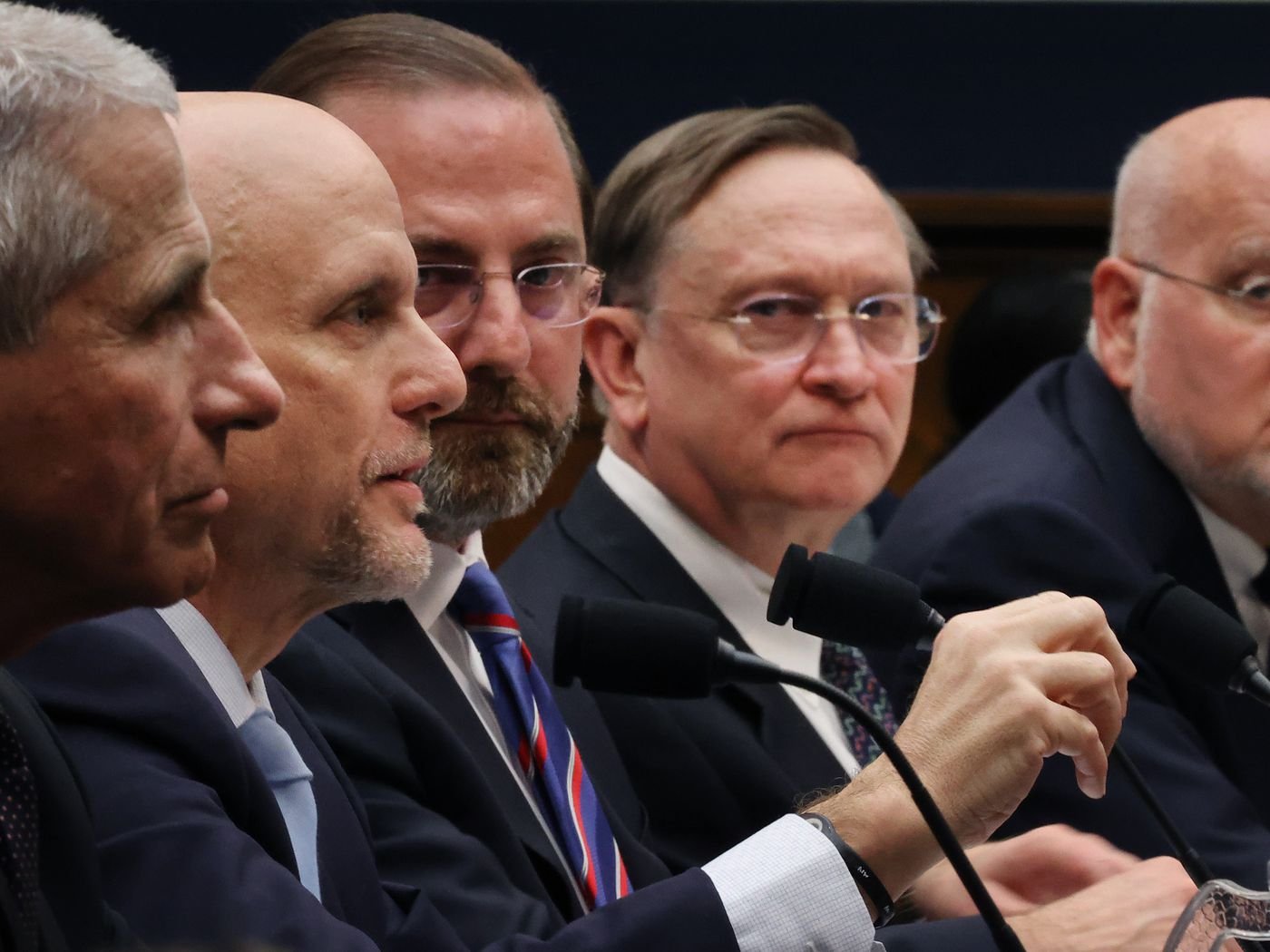
Then, in 1998, Fuad El-Hibri founded BioPort to do in America what he had done in Britain. When the publicly-funded Michigan Biologic Products Institute (MPBI) went up for sale — which was the only supplier of the anthrax vaccine in America at the time — BioPort acquired it. Importantly, Fuad was only positioned for this acquisition through the connection of his father to a career military man, who had previously served as Reagan’s top military officer, named William J. Crowe — a relationship birthed in Egypt back in the 1970s, when Crowe was head of the US Central Command in Qatar while Ibrahim El-Hibri was running several businesses there.
The year prior, when the Secretary of Defense announced a plan to inoculate members of the reserve armed forces with the MBPI anthrax vaccine, Crowe, “who had served on the board of the pharmaceutical giant Pfizer” drew up plans with the El-Hibris to dominate anthrax vaccine production in the U.S. “since it had been so lucrative in the United Kingdom during the 1990s.”
Soon after, BioPort was founded by Fuad El-Hibri and purchased the once publicly-owned MBPI lab. Likely in order to garner influence within the Pentagon, BioPort made Crowe its director and gave him about 10 percent of its stock, despite him investing nothing in the company — an early move that foreshadowed what would become the company’s main business strategy; forging and preserving connections at the highest levels of power.
Crowe’s appointment seemingly paid off with startling immediacy. According to Daily Press, in weeks the company “signed a new contract with the Pentagon providing for $45.1 million…, including $16 million in immediate cash for plant renovations. The deal required the government to pay for vaccine[s] even if the drugs weren’t licensed for use.”
The latter clause proved crucial. Through the next year, the company was unable to ship any anthrax vaccines due to multiple failed FDA inspections, leaving BioPort without an FDA-approved lab. To accelerate its slow start, in the summer of 1999, BioPort requested even more money from the Pentagon, which prompted auditors to take a look at the firm’s books. Their report revealed that millions of dollars were missing, that “BioPort didn’t even know the cost of making a dose of vaccine” and that millions were spent on office renovations and bonuses for senior management. Needless to say, the company failed to meet the legal requirements for the cash it requested.
Rather than forcing the company into taking accountability, however, BioPort came away unscathed. Citing “the interests of national security,» Pentagon contract officers came to the company’s rescue, overruling the denial of funds and approving “a $24.1 million bailout in September 1999.” Incredibly, the payout also “paid all the company’s debts and provided a 144 percent increase in payment for each anthrax vaccine dose, from $4.36 to $10.64” — effectively rewarding BioPort for its failure.
The plant finally regained its license in 2002. Between its failed FDA inspections and reentry onto the market, however, the company continued to rake in hundreds of millions of dollars in government cash — for products that were not even usable. As Daily Press noted:
By January 2002 – when federal drug regulators finally agreed that the plant and company could resume licensed operations – the Pentagon had paid BioPort $126 million for drugs that were stored and unlicensed, congressional records show.
Furthermore, whether or not BioPort truly earned its license back due to following government regulatory standards appears unclear. The lab’s approval only came after 9/11 and the Anthrax attacks, when fear of Iraqi bioterror was swarming the American public — and likely even more significantly, the American political class, who were directly targeted by the anthrax-laden letters.
As Daily Press reported:
Tommy Thompson, then secretary of health and human services and the Bush administration official responsible for vaccine and drug licensing, was caught between a Congress that wanted action and critics who feared political pressure would hasten licensure.
Though Thompson assured the public that “nobody [was] pressuring FDA to approve [the BioPort lab],” within three months, the company’s problematic and massively expensive facility had regained its license — ready to cash in on disaster.
Yet, the Anthrax attacks opened another business opportunity for the company. The government no longer only wanted an anthrax vaccine for the U.S. military — they now also needed a contractor to supply the civilian population of the U.S. with inoculation from the deadly disease. Conveniently, BioPort began claiming it faced strenuous financial circumstances yet again — and, at the same time, spent millions on an intricate P.R. campaign that recruited high-powered lobbyists, including military officials and government officials, aimed at securing the contract.
During this campaign, Bush-era political insiders became ingrained with the company, exercising political influence to win BioPort the lucrative contract. Importantly, these bureaucrats worked alongside Kadlec during the anthrax hysteria that arguably saved BioPort from ruin. While it is uncertain when Kadlec directly came into contact with the company — which, during his time heading the ASPR in the first Trump administration, he went on to bestow hundreds of millions of dollars to — BioPort’s links with Kadlec’s colleagues may provide insight into how the Kadlec-BioPort relationship was ultimately forged.
Killing VaxGen
In 2004, with post-9/11 hysteria still very much intact, a competitor to BioPort emerged ahead of the company in its race to win the $1 billion civilian anthrax vaccine contract. The San Francisco-based VaxGen appeared new and exciting in comparison to the everfailing BioPort — it promised to deliver an innovative “genetically engineered” anthrax vaccine, offering a new way forward for the nation’s stockpiled anthrax supply which had for years been plagued by BioPort’s corruption and inefficiency. VaxGen was consequently awarded the $1 billion contract — threatening the very existence of BioPort.
Rather than going quietly into the night, however, BioPort launched a multimillion dollar lobbying campaign to steal the contract from VaxGen. It soon recruited Dark Winter participant Jerome Hauer, who had previously served in the Bush administration’s HHS in multiple roles dealing with emergency response policy.
Hauer, a man that with his thick mustache, receding hairline, and thin spectacles looked more like an innocent football-dad than a scientist entrenched in the secretive milieu of U.S. biological warfare, was the first director of New York’s Office of Emergency Management (OEM) in the years leading up to the September 11 attacks. The office was created by the New York mayor that rose to national prominence in the wake of 9/11 and the Anthrax attacks, Rudy Giuliani.
After the Twin Towers collapsed on 9/11, Hauer — who was then running security for the World Trade Center at the CIA-linked Kroll Inc. — promptly gave an interview on CBS News with Dan Rather where he suggested that Osama Bin Laden was responsible for the attacks. In the months after the Anthrax attacks, Hauer became a proponent of building up medical infrastructure to respond to “bioterror” attacks more effectively than the Amerithrax response.
One component of this build up included the procurement of more anthrax vaccines — but not the one developed by BioPort. In a paper that Hauer co-authored along with Thomas Inglesby and Tara O’Toole — the principal authors of the John Hopkins Dark Winter exercise — the biodefense experts advocated for the creation of a new vaccine that could be more “reliably produced” and would require “fewer inoculations.”
When Hauer joined the ranks of HHS not long after, he continued his advocacy for a newer vaccine. According to the LA Times, Hauer “told [BioPort, which by that point had changed its name to Emergent Biosolutions,] in a February 2003 letter that [HHS] had concluded a new vaccine was ‘a better long-range option than investing in expanding manufacturing capacity’ for BioThrax.”
After Hauer left the Bush administration, however, he changed his tune. He moved into the private sector, becoming the senior vice president of the public relations firm Fleishman-Hillard and quickly “[delivered] Emergent as a client to his new boss.” Later, in December 2004, Hauer “said the government should purchase more of [BioPort’s] old vaccine.”
Then, halfway into 2005, Hauer earned himself a spot on Emergent’s board of directors. According to the LA Times, records show that “in that year and 2006, Emergent paid $360,000 to Fleishman-Hillard.”
Emergent continued to recruit talent from the Bush administration. It hired two aides to Vice President Cheney, Cesar V. Conda and Ron Christie, both of whom “championed Project BioShield” — Kadlec’s brainchild. Emergent paid their firm $340,000 from 2006 through June of 2007, according to the LA Times.
Yet Conda and Christie are not the only entities tying Emergent to the Kadlec-authored Project Bioshield. Another one of the lobbying firms deployed by the company to combat VaxGen, McKenna Long & Aldrich, “has taken credit for helping write the Project BioShield law.” The firm had seven members “subsequently registered to lobby for Emergent.” “From 2005 through June 2007,” the LA Times noted, “Emergent paid the firm $380,000.”
BioPort’s efforts proved fruitful — the government cancelled VaxGen’s contract in December 2006, and the company later acquired the rights to VaxGen’s anthrax vaccine technology in May 2008. In killing the company, BioPort solidified its position as a dominant and permanent supplier to the Strategic National Stockpile.
This revolving door between Project Bioshield players and BioPort, however, did not end here. Years later, it would open for Robert Kadlec.
East West Corruption
In 2012, the first direct documented tie between Kadlec and Emergent Biosolutions would take form. That year, Kadlec and Fuad El-Hibri started the biodefense company East West Protection. Interestingly, the first potential client they would tap was the Kingdom of Saudi Arabia. Though the proposal never went anywhere, it harkens back to El-Hibri’s initial entry into the world of biodefense, and the model of corruption on which much of it operates. Indeed, the formation of East West Protection was the first official step of a relationship between Kadlec and El-Hibri that would eventually entangle the government scientist in controversy.
Through the early 2010s, as Kadlec and El-Hibri worked to sell biosurveillance to the public sector at East West Protection, Kadlec also began a well-paying consultancy career that netted him $451,000 in a single year. During this period, Kadlec directly consulted Emergent Biosolutions (formerly BioPort) — a fact he failed to disclose during his 2017 confirmation hearings to head ASPR. Kadlec would also fail to disclose his founding of East West Protection, his role as director of the company from 2012 to 2015 and his subsequent selling of the company’s shares to Fuad El-Hibri thereafter.
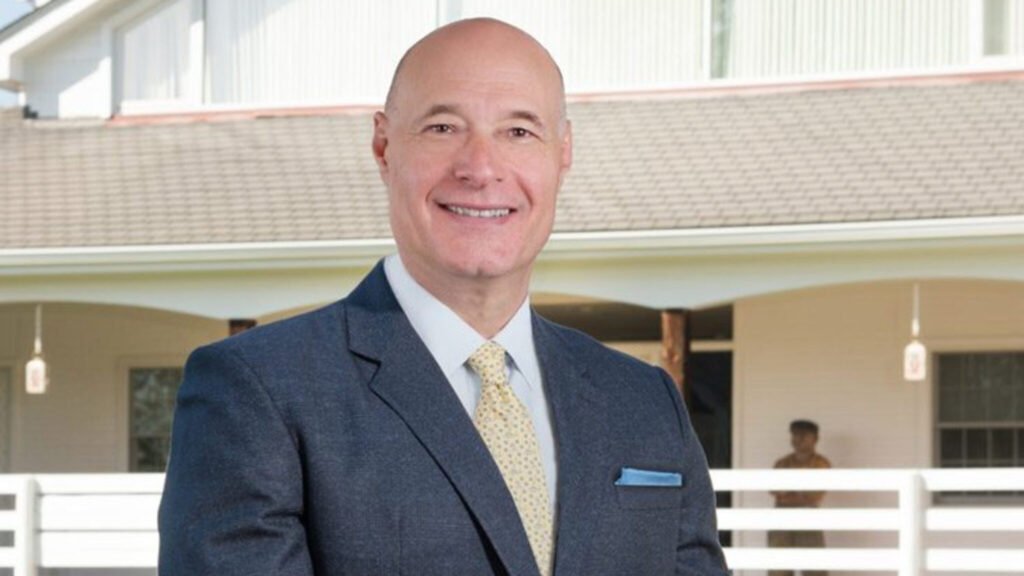
Kadlec had good reason to hide these connections. As he held the reins of the stockpile within ASPR, the longtime government scientist effectively became Emergent’s inside man within the Trump administration. Acting as the Saudis had for Porton International decades prior, he paid questionably high rates for Emergent products that were previously being considered at more modest prices. Kadlec’s bountiful spending made Emergent his office’s top contractor, raking in more than $733 million in contracts for the company during his time in office.
Kadlec’s ASPR paid “more than double the price” per dose of a smallpox vaccine than the agency had previously paid with a prior contractor. Furthermore, Emergent was directly involved in the decision-making process of the deal since the company was «the only licensed maker of the vaccine” — meaning that ASPR “arrived at the price through negotiations with the company rather than through bidding.”
Furthermore, Kadlec paid Emergent another $535 million for a product that treats the adverse effects of their smallpox vaccine — the same vaccine that he had just purchased at plethoric rates and in extravagant quantities. His office also “exercised a $260 million option to extend an Obama-era contract with Emergent for an anthrax vaccine,” according to The Washington Post.
Kadlec’s most important contribution to Big Pharma during this period, however — that which presumably enabled him to deliver Emergent such substantial payouts — was his role in centralizing total control of the strategic national stockpile (SNS) within ASPR. Notably, Emergent lobbied for this very measure — listing the transfer of control of the stockpile from the CDC to the ASPR “as part of its annual corporate strategy for 2017.” Emergent correctly understood that centralizing control of the stockpile would break down the bureaucratic barriers that often slowed down, or even blocked, the profitable stockpile acquisition process.
By 2018, with Kadlec inside ASPR, Emergent’s vision for the stockpile had come to fruition. He did away with the previous process of supplying the stockpile, which involved interagency correspondence with multiple departments, and folded all operational control of the stockpile into the jurisdiction of the ASPR. With these barriers destroyed, Kadlec laid a clear path for potential contractors to directly lobby a single entity — the ASPR — for the purchase of their products for the stockpile, ensuring, for those well enough connected, sure fire profits. This inverted, in Kadlec’s eyes, the “bottom-up” management of the stockpile — and positioned him at the top.
Warp Speed
A few years later during the latter half of the Trump administration, the weight of government public health infrastructure was unified under a medical response to the global outbreak of COVID-19. Kadlec promptly took charge of one of the main pillars of the U.S. pandemic response policy — the formation of Operation Warp Speed (OWS), a public-private partnership between the U.S. government and pharmaceutical companies to develop emergency vaccines for every American.
Kadlec and Peter Marks, the head of the FDA’s vaccine program, urged Alex Azar, the secretary of HHS, to embark on an effort to “maximally expedite” the creation of COVID-19 vaccines. From its conception, however, Kadlec viewed Operation Warp Speed as a military project. In fact, he and Azar originally proposed calling it “Manhattan Project II,” or MP 2.0, dubbing the program the spiritual successor to the WWII effort that saw the development of the atomic bomb.
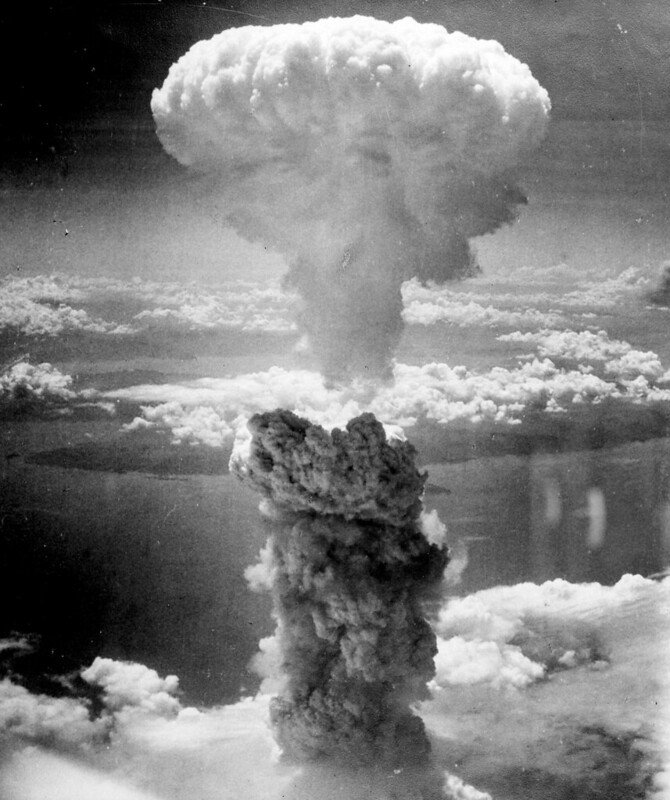
Their belief that the public-private development of pandemic vaccines was a military project extended beyond the program’s name, however. Early on, Kadlec and Azar wanted to enlist the Pentagon “as a key partner in both the science and the logistics” of OWS. In the ensuing months, officials from the Intelligence Community and DoD became entrenched in the program’s operations, with FDA officials reportedly being stonewalled and kept on the outside of OWS’s inner workings.
Notably, with a range of intelligence officials in the mix, OWS procured biosurveillance contracts for Google and Oracle to track vaccine recipients for two years “to monitor them for adverse health effects.” These agreements, however, were not announced by any of the parties involved and instead only reported on through claims made by the director of OWS, Moncef Slaoui, who detailed them in The Wall Street Journal. Given this lack of transparency, these contracts were likely doled out in relative secrecy via private intermediaries, according to Whitney Webb, circumventing federal oversight and garnering immunity from Freedom of Information Act (FOIA) requests.
Meanwhile, Emergent Biosolutions continued to cash in on their cozy relationships with the top centers of power in the U.S. government — most clearly through Robert Kadlec. OWS issued the controversial company more than half a billion dollars in subsidies to develop both Johnson & Johnson’s and AstraZeneca’s vaccines at its Baltimore plant, a deal that was approved by Kadlec himself. The rate Emergent was paid proved to be significantly higher than other private contractors who carried out similar tasks under OWS.
This was despite the fact that in the years prior, Emergent had experienced a myriad of quality control issues — ranging from cracked vials, failing to “properly control contamination” and even leaving hair on equipment.
While one health department official “said that none of the issues [were] ‘so dramatic that it changed our assessment’ that the facilities were ‘fit for purpose and in a state of compliance,’” Emergent inevitably validated its naysayers when it was revealed that the company had to destroy nearly 400 million doses of its COVID-19 vaccines “due to poor quality control.”
While this ultimately resulted in the termination of Emergent’s $600 million contract, the company still took away over $400 million dollars from the deal, only foregoing $180 million.
More importantly, the company still retains its massive contracts with BARDA, supplying the nation’s emergency vaccine stockpile with its anthrax inoculations — which, for most of the last decade, have constituted “nearly half of the stockpile’s half-billion-dollar annual budget.” The company’s inefficiency and unreliability, as its record reveals, have not harmed its standing. Instead, its connections — like that it possesses with Kadlec — have manipulated it into a perpetual pillar of America’s biosecurity infrastructure.
Whitewashing Covid Origins
More recently, in July 2025, Kadlec authored a report at The Scowcroft Institute of International Affairs at Texas A&M University that suggested that the “[Covid-19] pandemic began due to a virus escaping a laboratory rather than natural spillover from infected animals.” Yet in the Scowcroft announcement of Kadlec’s analysis, the blame was effectively placed on Chinese military researchers from the Wuhan Institute of Virology (WIV) — even though the National Institutes of Health, via the EcoHealth Alliance, was funding gain-of-function research at the WIV before the pandemic. Also, in 2018, EcoHealth Alliance submitted a proposal to the Pentagon’s Defense Advanced Research Projects Agency to create “full-length infectious clones of bat SARS-related coronaviruses and the insertion of a tiny part of the virus known as a ‘proteolytic cleavage site’ into bat coronaviruses” (emphasis added).
Regarding Covid-19’s origins, this is particularly concerning because, as Rutgers University microbiologist Richard Ebright told The Intercept, “The relevance of this is that SARS Cov-2, the pandemic virus, is the only virus in its entire genus of SARS-related coronaviruses that contains a fully functional cleavage site at the S1, S2 junction…And here is a proposal from the beginning of 2018, proposing explicitly to engineer that sequence at that position in chimeric lab-generated coronaviruses” (emphasis added).
USAID — which has acted as a CIA front in the past — also funded research at the WIV that was aimed at creating a global database of viruses to identify which pathogens were most likely to be transmitted to humans, to the tune of more than a million dollars. The agency also left thousands of samples from bats collected by a USAID biosurveillance program in WIV freezers, according to U.S. Right to Know.
Despite this American collaboration, however, the Scowcroft Institute warned that while the research may have been public health oriented, “Chinese military strategists have also expressed interest in the brain as a new combat domain and created a military medical specialty devoted to brain science” — suggesting that the “brain fog” caused by long-Covid may actually be the intended effect of Chinese bioweapons research. Furthermore, according to Scowcroft, China “appears to have suppressed early information on COVID-19’s impact on the brain and cognition.” This information taken together, the institute claims, raises “concerns about whether the People’s Republic of China is abiding by the letter and spirit of the Biological Weapons Convention” — despite direct U.S. involvement in the gain-of-function research at WIV.
Indeed, in the report’s foreword, co-authored by the director of the Scowcroft Institute who is a former administrator for USAID under George W. Bush, as well as by a senior Scowcroft fellow who previously served in the Army, “the report’s findings are enough to justify placing a much greater priority on intelligence efforts aimed at possible Chinese [biological weapons] activities.”
The findings and spinning of Kadlec’s report here harkens back to his time at UNSCOM when he patrolled sensitive Iraqi government infrastructure in search of hidden WMDs. There, he also utilized his academic credentials to cast international skepticism on a country for a program the U.S. was directly involved in creating. His work also suggested an adversary of the U.S. was not abiding by international treaties, and likely conducted intelligence operations weaponizing this very pretext. In that case, his contributions aided in the eventual removal of Saddam Hussein from power and the launching of the war in Iraq. Now, as Politico noted, with Kadlec in Trump’s Pentagon he will be “well positioned to push for greater scrutiny of China.”
As his past with Iraq demonstrates, when it involves special operations scientists and CIA agents, the line between scrutiny and acts of war is thin.
Neocons Making America Theirs Again
Since the Gulf War, Robert Kadlec’s career has been entangled with the neoconservative movement that grew out of the Reagan administration, and came to shape the future of the world in unthinkable ways during the George W. Bush years. Kadlec played a critical, though relatively unseen, role in the amalgamation of this group’s rise to power, and their subsequent reverberations on American foreign and domestic policy.
Through multiple presidential administrations, Kadlec and the clique of biowarfare specialists he was a part of manufactured consent for the invasion of Iraq. They used their credentials to stoke fear of Iraqi biological weapons attacks, exaggerated the simplicity of the means by which a terrorist could create biological weapons and even potentially exploited their positions as UNSCOM weapons inspectors in Iraq to gather intelligence for future American bombing campaigns. All of these actions and more slowly but surely, over the course of many years, justified what Robert Fisk called “an unlimited military offensive against Iraq.”
During this time and the years following, Kadlec and his clique laid the groundwork for what would become the nation’s emergency infrastructure for pandemics and bioterror-related emergencies. Like so much of the emergency policy cooked up by the neoconservatives that filled the Bush administration, this policy emphasizes the consolidation of crucial government power into the hands of small groups of bureaucrats, breaking down the barriers erected by democratic norms in the name of efficiency, and combating irrational, unpredictable enemies.
Always inherent to this emergency policy making are immensely profitable business opportunities jointly pursued by both the government and its trusted private contractors. As the creation of Kadlec’s emergency stockpile demonstrates, a “whole of government” approach to solving crises produces an economic landscape with extraordinary opportunities for Big Business. With the birth of the Strategic National Stockpile, HHS was able to funnel hundreds of millions of dollars into companies that would otherwise have no demand for their products. Furthermore, the passage of the series of bills that created the SNS paved the way for “emergency” regulatory mechanisms that would eventually bring the COVID-19 vaccines to market without approval. This emergency regulatory system, which involves greatly diminishing the standards a drug needs to reach the marketplace, is something biotech developers direly need.
And of course, like so many of the government actors working to create the legislative legitimacy for mass deregulation and centralized, “emergency” power, Kadlec has been quite comfortable profiting from the relationships he’s forged along his career. His role in overseeing the allocation of billions of dollars to the blatantly corrupt Emergent Biosolutions highlights the predatory, self-justifying opportunism that this larger convergence of Big Pharma, Big Tech and the national security state signifies.
Ultimately, this milieu that pairs “emergency” doctrine with revolving doors between the corporate and public sectors concentrates increasing amounts of capital into the control of a small group of oligarchs. With players like Kadlec sounding the alarms of terrorism from within the government, politicians and bureaucrats codify the justifications for the use of state power to enable these cash flows — be it through the overthrow of Saddam Hussein, or the creation of an emergency stockpile that funds corrupt pharmaceutical companies.
Now, with Kadlec sworn into the Department of War, he is responsible for dictating policy regarding WMDs and nuclear deterrence, including ensuring “chemical and biological defense and compliance with international NCB treaties and agreements.” Given his corrupt past, his previous exploitation of international treaties as a UNSCOM weapons inspector and the Trump administration’s ever-increasing military adventurism — the appointment of Kadlec signals a dark future for those in the crosshairs of the American Empire. Not because of what Kadlec alone will accomplish, but what his appointment symbolizes: unaccountable corruption, the exploitation of chaos to drive imperialist warmaking and unfettered profiteering along the way.